Field notes · Training · 3 min read
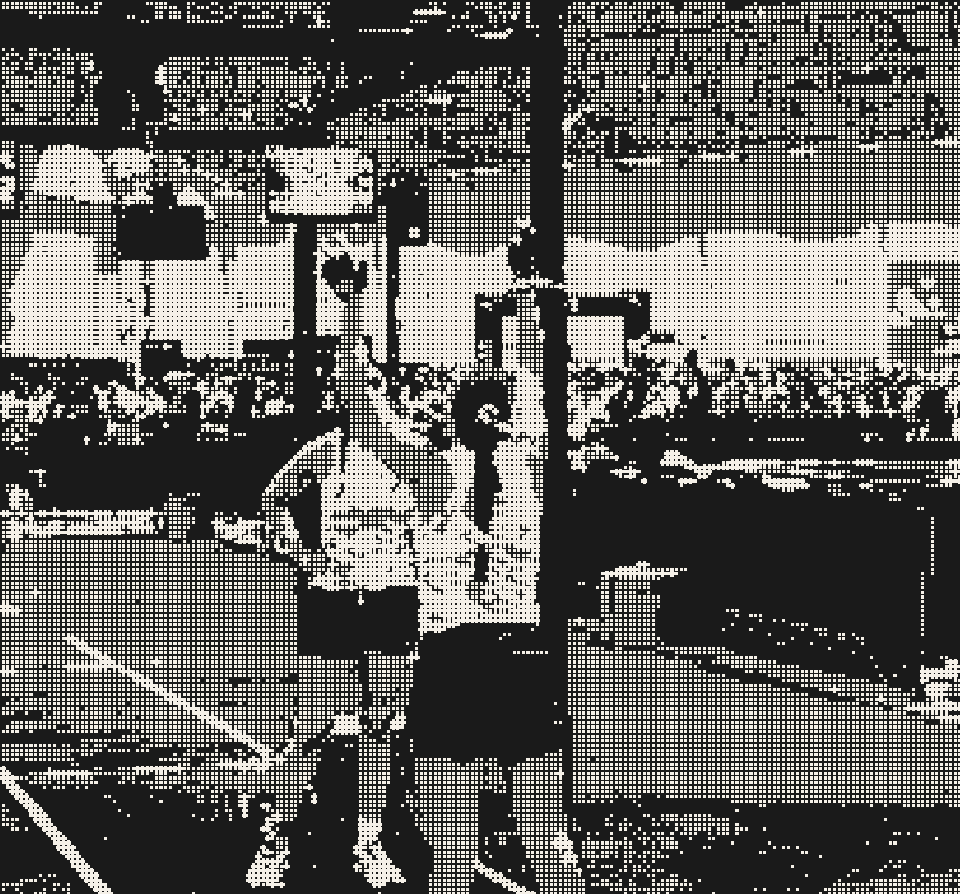
Hyrox wall balls: surviving the last station
How to train, pace and break up 100 Hyrox wall balls: standards by division, technique that avoids no-reps, and a set structure for station eight.
Edited by Laura Rossi
Hyrox athlete, Toronto · Aug 18, 2026
Every Hyrox finishes the same way: 100 wall balls, on legs that have already run eight kilometres and lunged a sandbag. It's the station people fear most, and one of the stations that costs the field the most time. It's also very trainable, because what fails at station eight is rarely fitness. It's structure.
Why are wall balls the hardest Hyrox station?
Position, not the movement. A wall ball is a squat and a throw; on fresh legs, 100 of them is a workout, not a crisis. But they come last, after the sandbag lunges have emptied your quads and the final run has spiked your heart rate. The movement itself is simple enough that there's nowhere to hide: no grip trick, no technique hack, just repeated full-depth squats when your legs want anything else.
The other trap is judgement. This is the only station with no warning: every rep is judged against the standard, hips below knees at the bottom and the ball striking the target, and it's a rep or a no-rep from the first one. Reps that don't meet the standard simply don't count: wall balls carry no warning ladder and no per-rep time penalty, unlike most stations. Leave the rig before 100 valid reps and it's a disqualification, not a penalty. It's a rep or a no-rep, and the judge is the authority, not the digital counter on the screen. A no-rep at rep 85 is a special kind of heartbreak, and it's almost always a fatigue-shortened squat.
What are the Hyrox standards?
100 reps in every division. Under the current rulebook, women's open throws a 4 kg ball to a 2.7 m target and men's open a 6 kg ball to 3 m, with pro divisions using heavier balls (6 kg for women, 9 kg for men). Rulebooks get revised between seasons, so confirm your division's numbers before you build training around them. In doubles, the pair splits the 100 however they like, one athlete working at a time, which is why the fittest doubles teams still practise the handover. (No partner yet? Here's how athletes find one.)
How should you break up 100 reps?
Decide the sets before you touch the ball, and make them smaller than pride suggests. A plan like 10 sets of 10, or 5-4-3 breaths of rest between sets of 15, finishes minutes ahead of the athlete who went out unbroken, hit a wall at 40, and then negotiated with the ball one rep at a time.
The rules of thumb:
- Never go to failure. Stop each set two or three reps before you'd have to. Recovering from failure costs far more than the reps you banked.
- Keep rests short and counted. Three to five breaths, ball on the floor or held at the chest, then back on. Uncounted rest expands.
- Front-load nothing. The first set should feel insultingly easy. That's the point.
What technique actually saves reps?
Catch the ball and sink with it in one motion, so the descent is free instead of a separate squat. Keep elbows in and the ball high at the chest, drive through the whole foot, and throw as you stand rather than after: the legs launch the ball, the arms just steer. Pick a spot on the target and hit the same spot every rep. Throw higher than the target and you waste energy; miss the target in either direction and it doesn't count.
And guard your depth. As fatigue builds, squats quietly rise. A rep at 90 percent depth costs the same effort as a real one and scores zero.
How do you train wall balls for Hyrox?
Train them tired, because that's the only way you'll meet them. Put wall balls after lunges or after a hard kilometre, not first when you're fresh. Practise your exact race break structure at race weight and target height so the plan is a habit, not a theory. EMOMs work well for volume: 10 to 15 reps every minute for 8 to 10 minutes teaches you to work on incomplete rest. And once in a while, do a full 100 under fatigue so the number stops being mythical.
Unbroken wall balls make a great story. A boring, pre-planned 100 makes a better finish time. And if Toronto is on your calendar, the field for GoodLife HYROX Toronto is visible on AthleteField's event page, so you can see exactly who else will be staring down those last 100 reps with you.
AthleteField
Join the Toronto field
Partners at your pace, who's racing, local sims.
Quick answers
- How many wall balls are in a Hyrox?
- 100 reps, and they're the final station, after all eight runs and seven other stations.
- What weight is the Hyrox wall ball?
- In the current rulebook, women's open uses a 4 kg ball and men's open a 6 kg ball, with heavier balls in pro (6 kg women, 9 kg men). Women throw to a 2.7 m target, men to 3 m. Check the rulebook for your season and division before you train.
- How should I break up 100 wall balls?
- In planned sets with short rests, decided before you start. Sets of 10 to 20 with a few breaths between beats one heroic unbroken attempt that dies at rep 40.
- How do I avoid wall ball no-reps?
- Squat to full depth every rep, hit the target, and don't let fatigue shorten your squat. Judges are watching depth and target, and bad reps don't count.
- How do doubles teams split wall balls?
- Like every station in doubles: the pair splits the reps however they like, with one athlete working at a time.
More field notes

Toronto
Hyrox gyms in Toronto: the full map
Training
The eight Hyrox archetypes
Training
The nine places Hyrox doubles pairs win or lose time
Races
The night before a Hyrox: kit list and a quiet head
Toronto
Track your crew on race day: how it works

Toronto
Hyrox Toronto 2026 race week: everything you need to know