Field notes · Training · 3 min read

What's a good Hyrox time?
A good Hyrox time: elites go around an hour, a strong open time is roughly 70 to 80 minutes, most first-timers land between 95 and 115. How to read yours.
Edited by Laura Rossi
Hyrox athlete, Toronto · Aug 11, 2026
There's no official answer, but the field tells a consistent story. Across typical Hyrox fields, elite men race around and under an hour, elite women near it, a strong open time is roughly 70 to 80 minutes, the broad middle of open fields lands around 85 to 100, and first-timers commonly finish between 95 and 115. Where you should sit in that spread depends on one thing: is this your first, or your fifth?
What's a good time for your first Hyrox?
For a first race, finishing strong matters more than the clock. A good first Hyrox is one where the last run still looks like running and the wall balls don't end you. If you want a number anyway, sub-100 minutes is a solid first target for most athletes who've been training a few months, and somewhere in the 95 to 115 range is where first-timers commonly land.
The first race is mostly a data-gathering exercise. You find out what the sleds feel like at race weight, how much the roxzone eats, and where your pacing plan fell apart. That data is worth more than the finish time, because every race after this one gets planned against it. If your race is close, the race week taper matters more than any last hard session.
What's a good Hyrox open time?
Roughly 70 to 80 minutes. That's the range where, across typical open fields, you're clearly ahead of the pack: comfortable on every station, running well between them, and losing little in transition. The broad middle of open fields sits around 85 to 100 minutes, so breaking 85 already puts you on the strong side of most heats.
Above that, the targets get famous. Sub-70 is the number serious open athletes chase, and around an hour is where the elite conversation starts. Those times aren't built by grinding stations harder; they're built on running, which is where the next question comes in.
How much faster is Hyrox doubles?
Meaningfully faster than either athlete would go solo. In doubles the pair runs every kilometre together but splits the station work, so each athlete hits the second half fresher than any singles racer at the same fitness. A pair of 95-minute soloists can go well under that together. It's why doubles is the most common way into the sport, and why the format itself rewards a partner whose pace matches yours.
Don't compare a doubles time to a singles time. They're different races wearing the same course.
Which Hyrox stations cost the most time?
Wall balls, the sled push, and burpee broad jumps are where the field bleeds minutes. Wall balls come last, on wrecked legs, and broken sets stack up fast. The sleds punish anyone who hasn't touched race weight before race day. Burpee broad jumps are just slow for everyone, and slower for anyone pacing them wrong. And the roxzone, the transition between runs and stations, quietly costs more than most athletes think, because nobody trains walking around a hall confused.
The biggest single lever, though, isn't a station. It's running. Eight of the race's segments are runs, and the difference between a 95-minute athlete and an 80-minute one usually lives more in the run splits than the station splits.
How do you know where your time can improve?
Compare your splits, not your finish time. Two athletes at 95 minutes can be completely different races: one has a runner's splits and dies on the sled, the other cruises stations and jogs the runs. Same number, opposite problems.
That's what the station-by-station radar on an AthleteField profile is for. It plots your eight stations and your run pace against typical times, so you can see at a glance whether your gap is engine or stations. And because profiles carry real splits, you can pull up athletes at your target time and see what that time is made of, run pace here, wall balls unbroken there. A target time stops being a wish and starts being a spec.
AthleteField
Join the Toronto field
Partners at your pace, who's racing, local sims.
Quick answers
- What is a good hyrox time for beginners?
- Most first-timers finish somewhere between 95 and 115 minutes across typical Hyrox fields. Sub-100 is a solid first target, but finishing strong matters more than the number.
- What is a good open Hyrox time?
- Roughly 70 to 80 minutes is a strong open time. The broad middle of open fields tends to land around 85 to 100 minutes.
- How fast are elite Hyrox athletes?
- Elite men race around and often under an hour, and elite women race near it. That's the front of pro fields, not a benchmark for open racers.
- How much faster is doubles than singles?
- Meaningfully faster. The pair splits every station, so each athlete arrives fresher and the workout half moves much quicker than it would solo.
- Which Hyrox stations cost the most time?
- Wall balls, the sled push, and burpee broad jumps are where most of the field bleeds minutes, along with the roxzone transitions between runs and stations.
More field notes

Toronto
Hyrox gyms in Toronto: the full map
Training
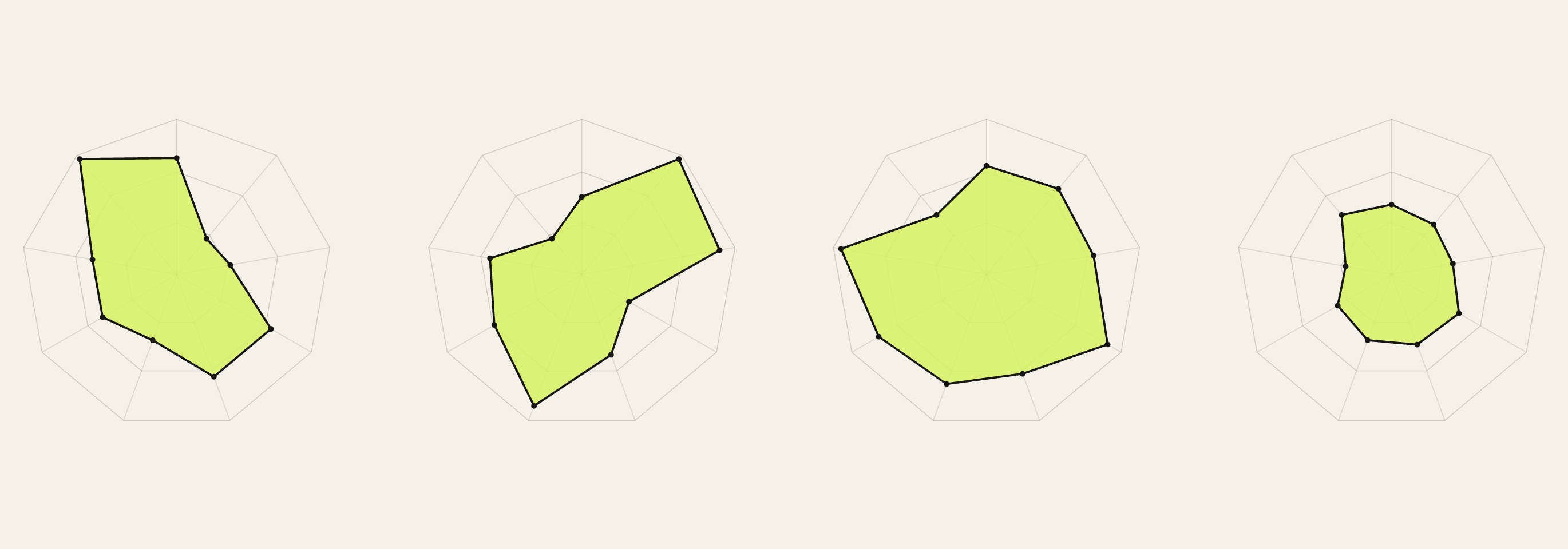
The eight Hyrox archetypes

Training
The nine places Hyrox doubles pairs win or lose time

Toronto
Hyrox Toronto 2026 race week: everything you need to know

Training
Lost your Hyrox doubles partner four weeks out?

Toronto
When do I race at Hyrox Toronto? Start times by division